Creating a corporate video isn’t rocket science, but it’s not the same as ordering lunch delivery either. It’s a process that requires understanding, planning, and a few key decisions. From the initial idea to scripting, editing, and distribution, every step matters.
A well-executed promotional video is an investment that can deliver real returns — but only if you avoid a few common pitfalls. From experience, even large companies make these mistakes. So let’s break them down.
1. No clear goal or audience
This is the most common misstep. A video gets made, but no one really knows why. It’s “about the company,” “for the internet,” or “just to have something.” The result? A video that speaks to no one and serves no real purpose.
If you don’t define what you want — more leads, better hiring, product explanation — it’ll be hard to tell if the video even worked. Corporate and promotional video production only delivers value when there’s clarity. A good brief isn’t a wish list. It’s a goal, a target audience, and a usage context. A recruitment video for junior developers will look completely different from a B2B sales explainer. Most failed video campaigns start with a lack of strategy — not a lack of fancy gear.
2. Wrong format or tone for your audience
Even with a clear goal, you can still miss the mark if the format doesn’t match the audience. Imagine a stiff corporate narrator pitching a startup job to twenty-somethings. Or a cartoon full of emojis meant to persuade a board of directors.
Format should match the channel, the audience, and the message. Sometimes a simple, honest interview works best. Other times, a fast-paced, story-driven ad makes more sense. But the decision should come from your viewer — not the CEO’s personal taste.
3. No story, no emotion
A “video about the company” shouldn’t be a bullet list of facts. It still needs to engage, tell a story, and leave a mark. A boring video is a missed opportunity, even if it’s shot in 4K.
Video production isn’t just about gear and locations. It’s about the story. Good storytelling doesn’t mean playing violins or showing dramatic moments. It’s about drawing the viewer in and giving them a reason to stay until the end. Interestingly, studies show that emotion-driven videos influence buying decisions more than purely informational ones.
4. Poor technical quality
It sounds basic, but it still happens. Bad sound, shaky footage, strange lighting — all of it chips away at trust. People judge your company by the quality of your materials. A weak video can make a strong product feel amateurish.
You don’t need a Netflix budget, but you do need solid production. Clear audio, clean edits, decent lighting. Sometimes it’s worth paying 10% more to avoid spending twice fixing a broken result.
5. Overstuffed, too-long videos
“If we’re making a video, let’s include everything.” That mindset often leads to a 5-minute epic no one finishes. People are busy and attention spans are short. If it doesn’t hook them fast and stay on point, it’s wasted.
You’re better off with two shorter videos than one overloaded one. One for campaigns, one for your website. One for LinkedIn, one for landing pages. Adjust the length and message to fit the context. Video strategy is as important as visuals — less is more when what’s left hits the target.
| Mistake | Outcome | How to Avoid It |
|---|---|---|
| No clear goal or audience | The video doesn’t work, no measurable results | Start with a clear brief and business goal |
| Wrong format or tone | The video pushes people away | Think like your audience, not like a creator |
| No story or emotion | The video is boring and forgettable | Focus on script and storytelling |
| Low technical quality | The video lowers brand credibility | Hire professionals |
| Too long / cluttered | Viewers drop off | Cut it down and split into segments |
A well-made video can work for years
A good video doesn’t have to be expensive — but it does have to be intentional. It has to work: to sell, to explain, to attract. We often hear from clients months later saying, “That video still delivers.”
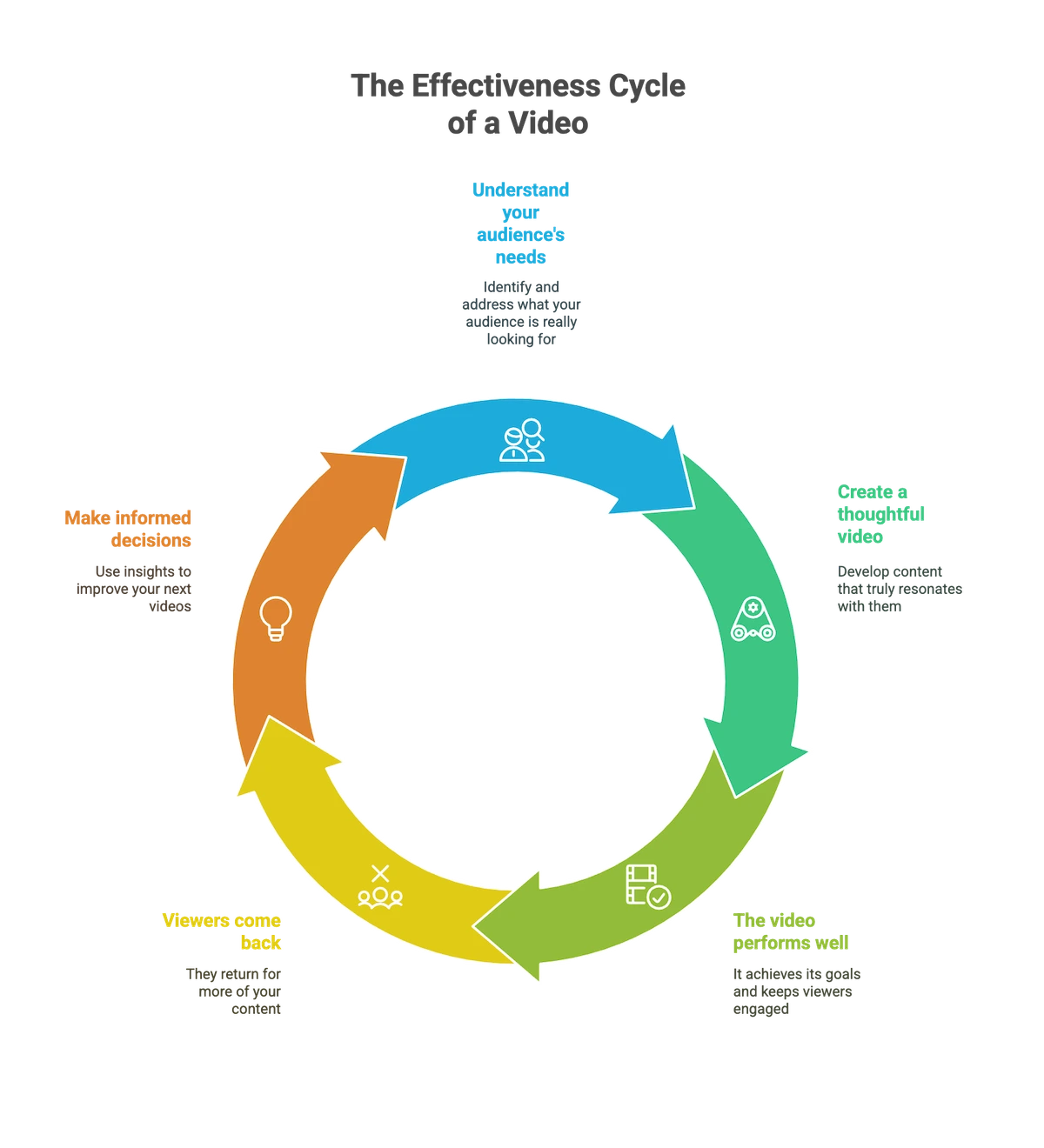
When a video is built around your audience and their needs, it stays relevant. Whether it’s a product video, corporate film, or branded content — thoughtful video production is a long-term asset.
FAQ — Frequently Asked Questions
Should I hire a video production company or a freelancer?
It depends on the scale. Freelancers can be more affordable but might not handle the full process. A production company manages everything from concept to final delivery.
How long should a corporate video be?
Ideally 30–90 seconds. Social media videos are often shorter. For sales decks or proposals, up to 2 minutes is fine — as long as it keeps attention.
Does a video need a script?
Usually, yes. Even a rough outline matters. Without structure, the message gets lost. That means wasted time and budget.
What if we don’t have a concept yet?
That’s normal. A good producer will help you shape one. A creative workshop can clarify more than a brief.
Is video worth it on a tight budget?
Yes — as long as you do it wisely. Sometimes it’s better to create one well-planned video than several random ones.
Final thoughts
Commissioning a corporate video isn’t just about gear or budget. It’s about having a clear goal, understanding your audience, and telling a story that sticks. Every detail — from the script and technical execution to length and platform — shapes its impact. A smart video production is a long-term investment in your brand.
If you want your video to actually work for your business, contact us — let’s talk about how to do it right.